
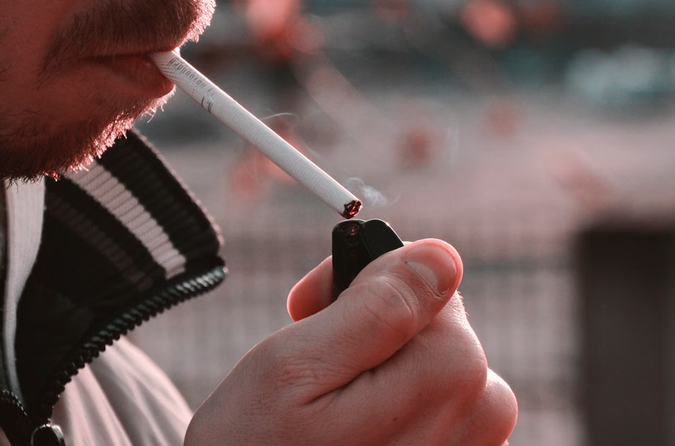
A cigarette can feel like a tiny emergency button when stress starts climbing. For many smokers, the ritual seems to calm the mind almost immediately, but some of that relief comes from expectation, conditioning, and the temporary easing of nicotine withdrawal. That does not mean the feeling is fake. The brain is doing something very real, just with a rather sneaky trick.
Nicotine Changes How the Brain Feels
Nicotine reaches the brain quickly after smoking and affects several chemical systems involved in attention, mood, and reward. It can produce a brief feeling of relaxation or alertness, depending on the person and situation. That effect helps explain why cigarettes can become strongly associated with certain emotional states. The brain basically starts remembering, “Bad day? We know what comes next.” There is another important piece of the puzzle. Regular nicotine use can lead to dependence, so going without it may produce irritability, restlessness, or difficulty concentrating. Smoking can temporarily reduce those withdrawal symptoms. A person may interpret that change as stress relief, even though the cigarette is partly relieving discomfort created by nicotine dependence itself.
The Brain Learns the Smoking Ritual
Smoking involves much more than inhaling smoke. There is the familiar packet, the lighter, the hand movement, the first puff, and the pause away from whatever is happening. Repeating that sequence during stressful moments teaches the brain to connect the ritual with relief. Eventually, simply taking out a cigarette may create an expectation that calm is coming. This is where conditioning becomes important. Imagine someone always smoking after a difficult meeting. After enough repetitions, the meeting ends, and the brain starts expecting the cigarette. The ritual becomes a learned response to tension. It can feel automatic, almost like pressing a familiar button.
Expectation Can Amplify the Feeling

The placebo effect involves changes in experience that can occur because a person expects something to help. Expectation does not mean the experience is imaginary or that someone is pretending. The brain can genuinely alter how sensations and emotions are perceived based on what it anticipates. That helps explain why a familiar smoking routine may feel calming even beyond nicotine’s direct effects. The surrounding circumstances can strengthen that expectation. A smoker might step outside, take several slow breaths, enjoy a few quiet minutes, and temporarily escape a noisy environment. Those elements can become part of the perceived benefit.
Why the Relief Can Become a Cycle
The problem is that short-term relief can reinforce long-term dependence. A person feels stressed, smokes, experiences temporary relief, and becomes more likely to repeat the behavior next time stress appears. If withdrawal symptoms later create irritability, another cigarette can seem like the obvious solution. The loop can become surprisingly powerful. This is why simply saying “just relax” rarely solves the issue. The habit may involve nicotine dependence, learned associations, routines, and expectations at the same time. Breaking that pattern can require replacing the ritual as well as addressing nicotine use.
So, Is It Not True?
Unfortunately, yes, those ads lead to false perceptions about smoking. Smoking may feel like stress relief because several factors can overlap: nicotine’s effects, withdrawal relief, learned associations, and expectations about what the cigarette will do. The sensation of calm can therefore feel completely genuine, even if smoking is helping maintain the cycle. That distinction matters because understanding the mechanism can make the habit easier to challenge. Healthier substitutes can target parts of the same routine, such as taking a short walk, practicing slow breathing, stepping outside, or talking with someone.
None is a magic cigarette replacement, and quitting nicotine can be difficult. The key takeaway: the relief may feel real, but understanding why it happens can be the first step toward breaking the stress and smoking cycle.